
Press Releases
View our press releases and statements about reports, traffic violence, and safe streets in New York City.
If you are a member of the media, contact us at press@transalt.org.
Alexa Sledge
Communications Director
781-910-9963

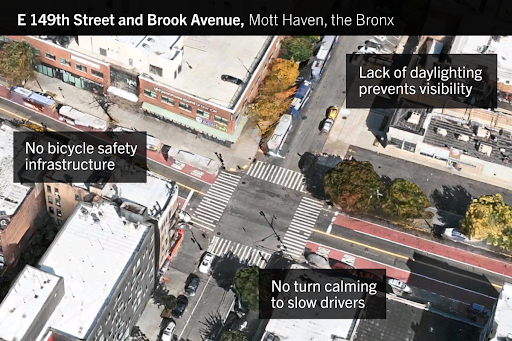

Child & Pedestrian Fatalities Rose in 2024 While 132 Vehicles Received 100+ Safety Camera Tickets, With Two Exceeding 500, New Data from Transportation Alternatives & Families for Safe Streets
Child and Pedestrian Fatalities Rose in 2024 While 132 Vehicles Received 100 or More Speed Safety Camera Tickets, Including Two Vehicles Who Received More Than 500, New Data from Transportation Alternatives and Families for Safe Streets Shows
“If Mayor Adams wants to make New York a better place to raise a family, he needs to fix his streets” – Statement from Transportation Alternatives after Mayor Adams’ State of the City Address
NEW YORK — Today, Transportation Alternatives released the following statement after Mayor Adams’ State of the City Address.
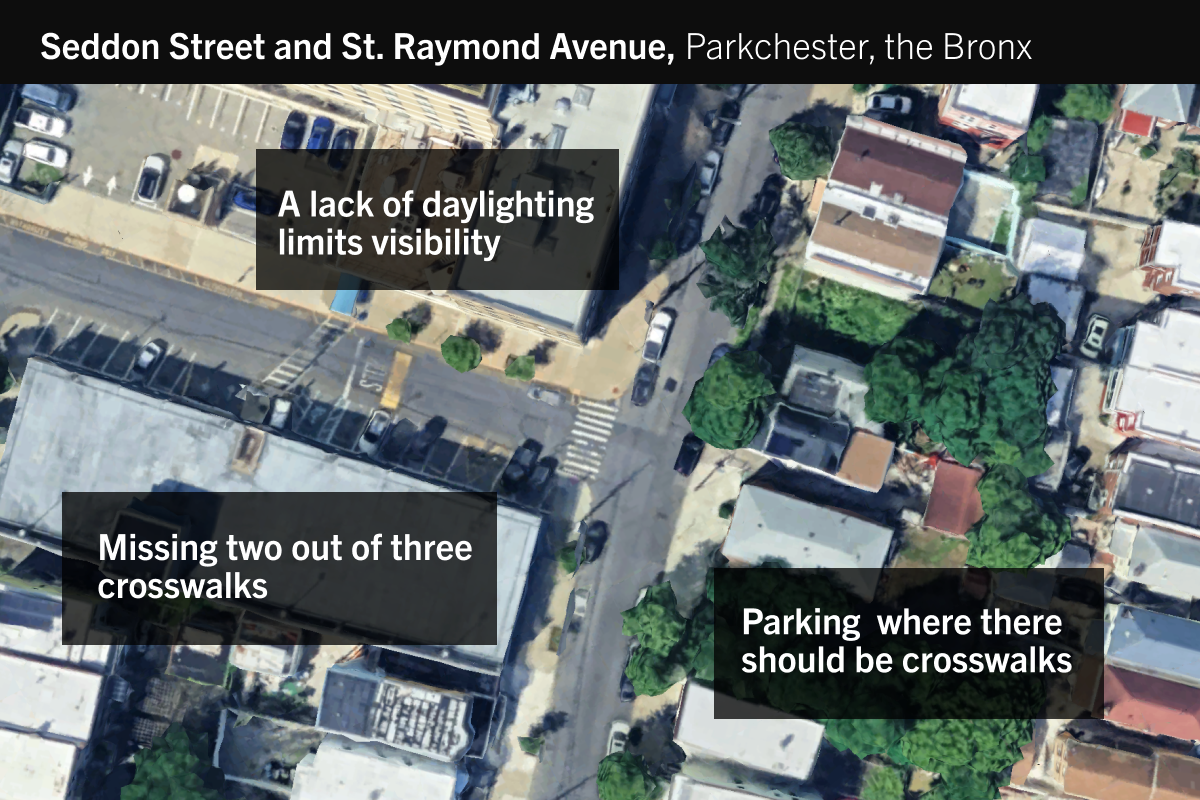
Statement from Transportation Alternatives after Tow Truck Driver Strikes and Kills a Pedestrian in Hit-and-Run in the Bronx
Traffic violence has killed 242 New Yorkers this year so far, 15 more than average.

Transportation Alternatives Welcomes Ben Furnas as Next Executive Director
Furnas, an architect of Vision Zero and urban sustainability expert, comes from Cornell University, where he served as the Executive Director of The 2030 Project: a Cornell Climate Initiative
Statement from Transportation Alternatives after Traffic Violence Kills Three New Yorkers and Leaves Two Others Critically Injured over Thanksgiving Weekend
Over the holiday weekend, traffic violence killed three New Yorkers and left two others critically injured. Drivers struck four pedestrians in the Bronx and Brooklyn, killing three people.
These tragedies underscore the alarming and persistent rise in pedestrian fatalities across the city — highlighting an urgent need for action to protect our most vulnerable residents.

Less than Two Months before Congestion Pricing, New Data Analysis from Transportation Alternatives Shows New Yorkers Embracing Biking and Rejecting Car Ownership
Every borough now has fewer car-owning households than it did in 2020.
In October, bike ridership was up at every location where data was recorded.
Both the Williamsburg Bridge and the Queensboro Bridge saw 100,000 more bike trips each in October 2024 than in 2019, a record high for the month.
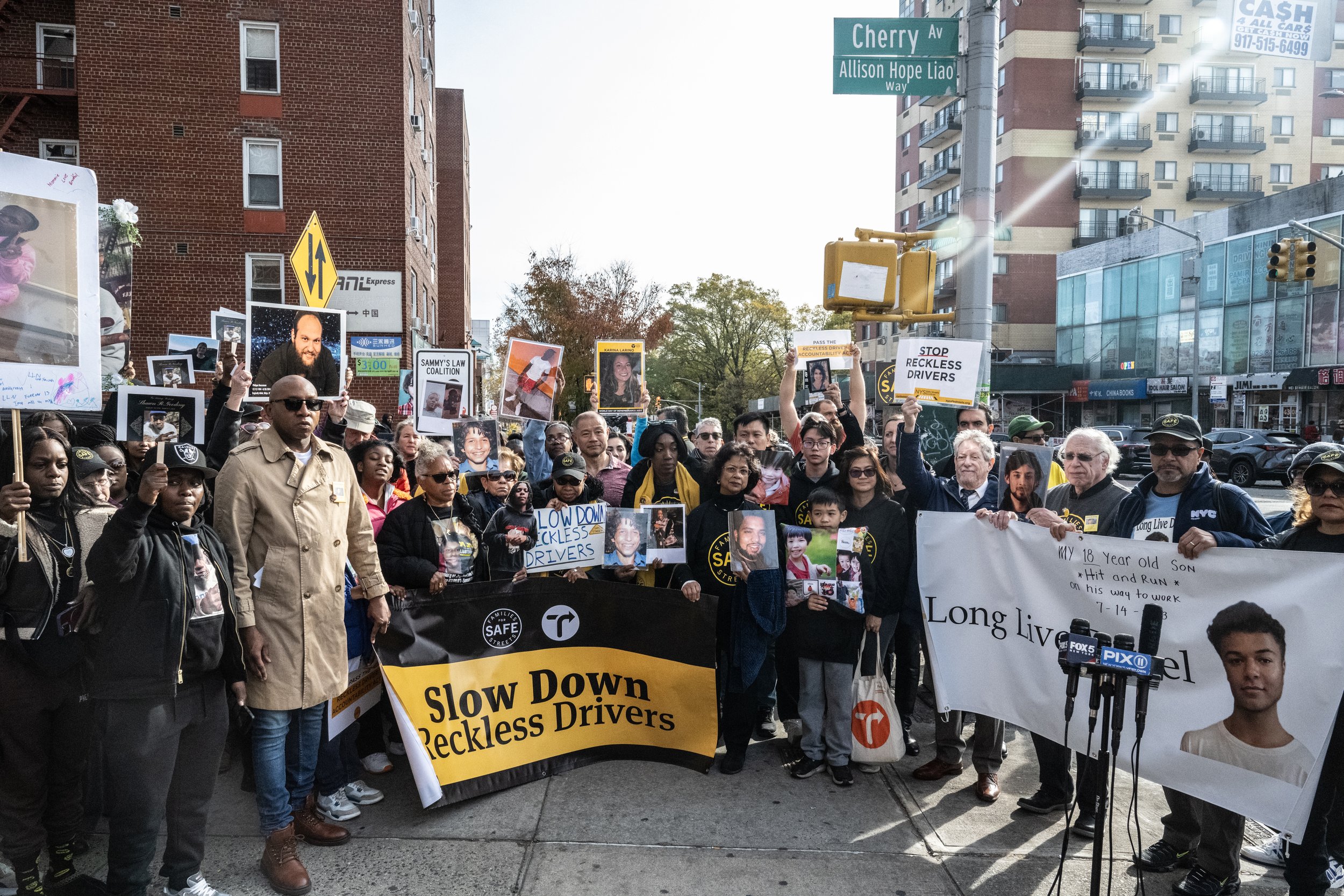
Statement from Families for Safe Safe Streets on 2024’s World Day of Remembrance for Road Traffic Victims
Queens Community District 7, which includes Flushing, has been the most dangerous district for pedestrians in the last 10 years, and the second-most dangerous district for everyone.
Five children have been killed in Queens so far this year, more than were killed at this point in nine of the last 10 years.
15 children have been killed in New York City so far this year, far above average and more than were killed by this point in nine of the last 10 years.
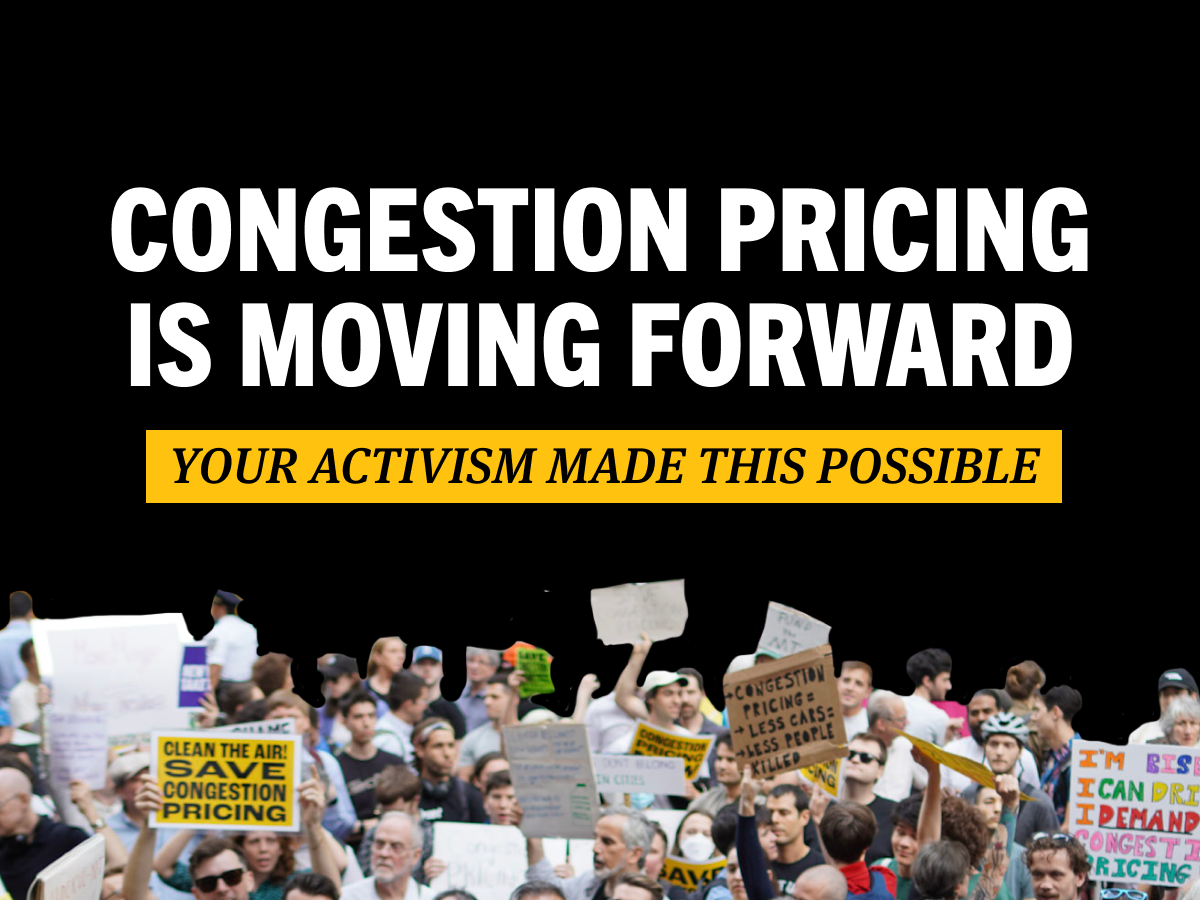
Statement from Transportation Alternatives After Reports Governor Hochul Will Begin Congestion Pricing
Since the governor’s pause, thousands of New Yorkers called the governor’s office, marched on her doorstep, and testified to the MTA Board in support of congestion pricing.

Statement from Transportation Alternatives after Traffic Violence Kills Four New Yorkers and Leaves Four Others Critically Injured over Halloween Weekend
Traffic violence has killed 217 New Yorkers this year so far, 12 more than were killed in all of 2018.
This is the 23rd person killed on a bike in 2024, the second killed in the past week, and the fourth killed in the last two weeks.
So far, 2024 is tied to be the most deadly year in Manhattan in Vision Zero history. Nearly twice as many people have been killed so far in the borough than by this point in the safest year, 2018.
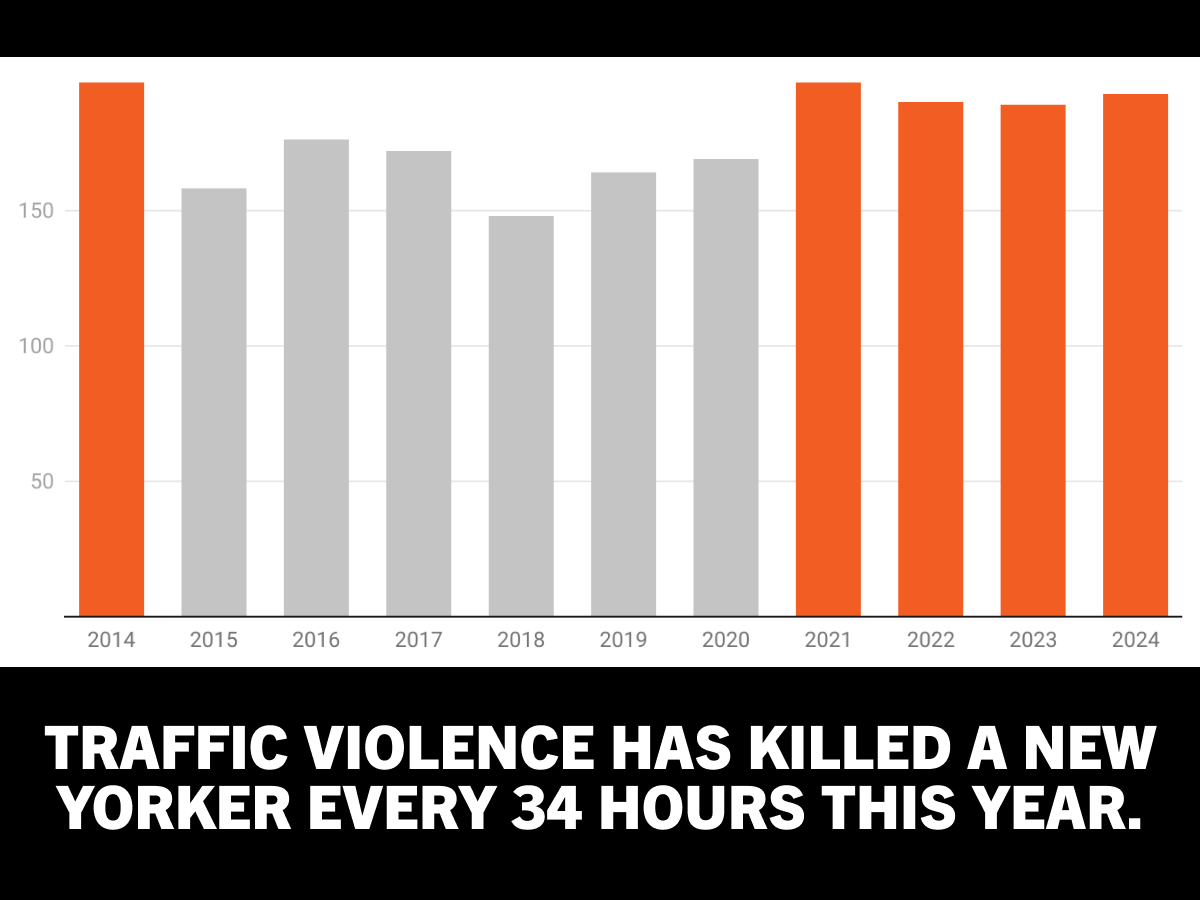
Record-Breaking Number of New Yorkers Killed or Seriously Injured in the First Nine Months of 2024, New Data from Transportation Alternatives and Families for Safe Streets Shows
Every week, 17 pedestrians lose limbs, organs, or suffer other life-changing serious injuries.
Throughout 2024, a New Yorker has been killed or seriously injured in a traffic crash almost every day in the congestion relief zone.

Statement from Transportation Alternatives after Pickup Truck Driver Hits and Kills Bike Rider During Police Chase
This is the third person killed in a police chase this year. Police chases have repeatedly proven to be deadly, and are banned by the NYPD.
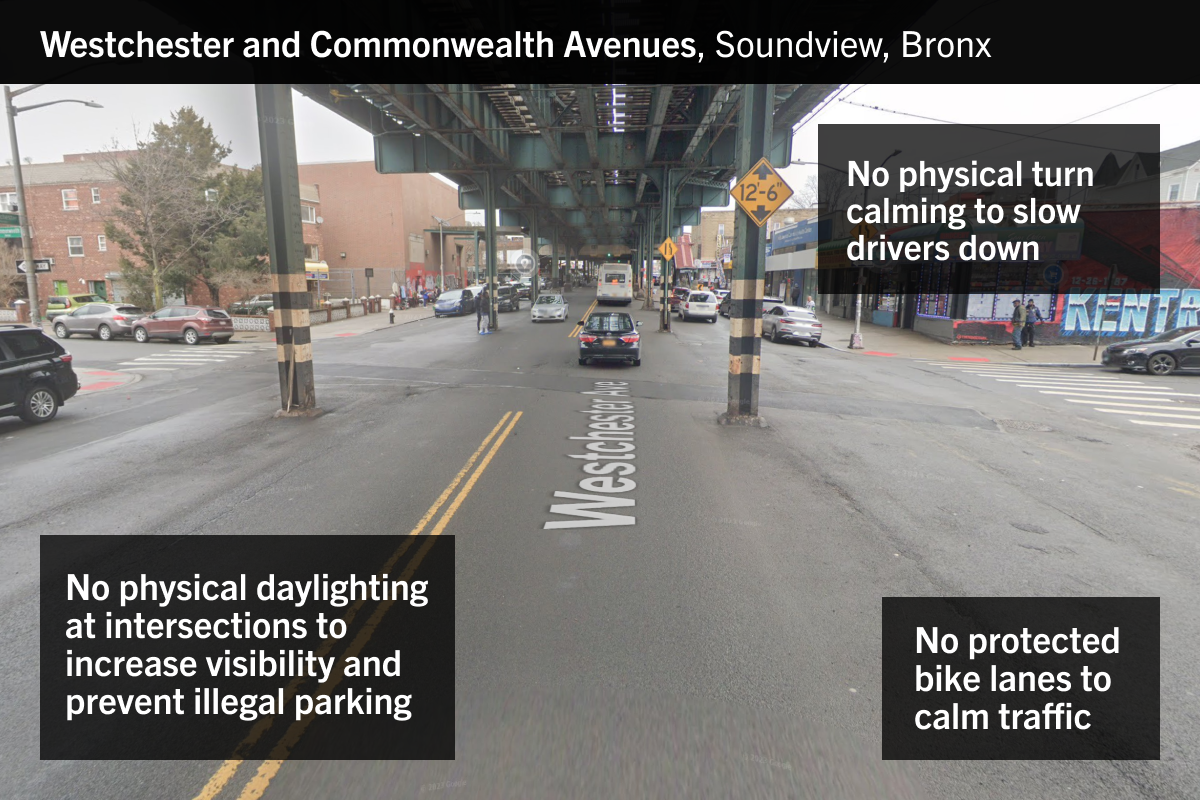
Transportation Alternatives Statement After Pick-Up Truck Driver Kills 66-Year-Old Bike Rider in the Bronx
Just a few months ago, a driver hit and killed another bike rider on the very same street. 20 cyclists have been killed so far in 2024, including three in the Bronx.
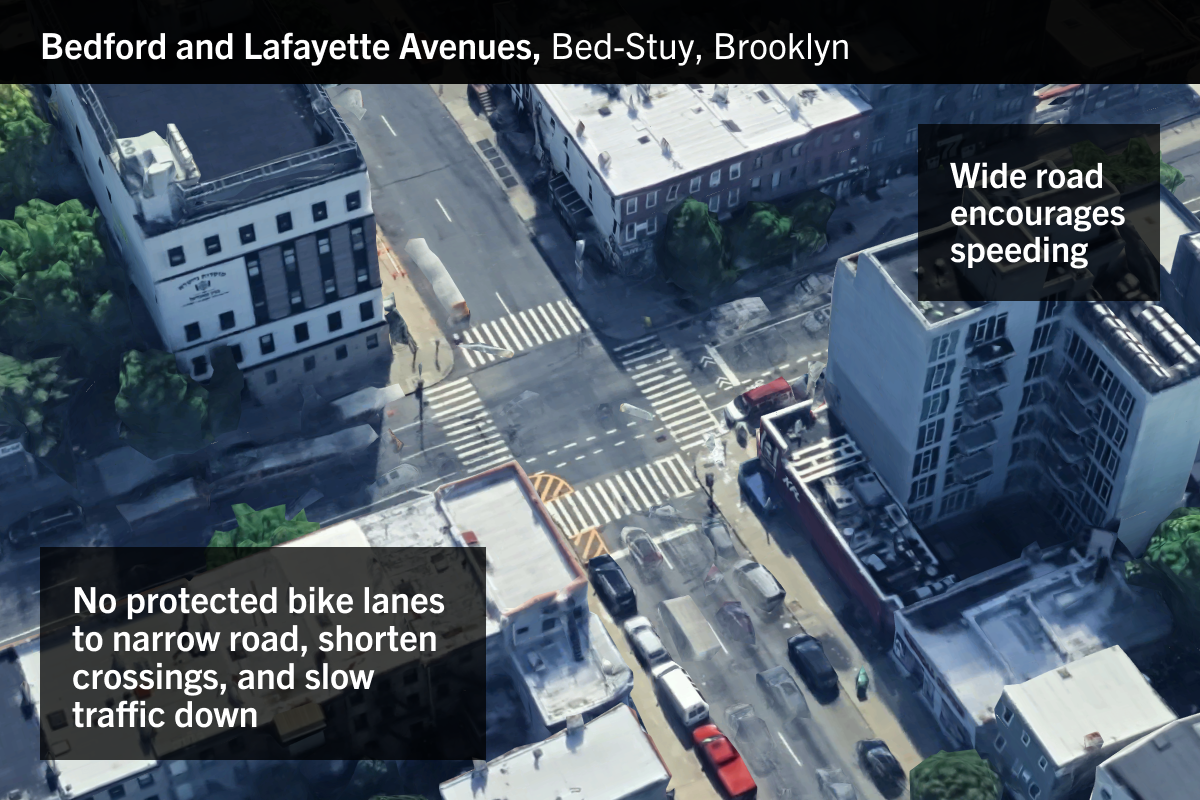
Statement from Transportation Alternatives after SUV Driver Hits and Kills a Pedestrian on Bedford Avenue in Bed-Stuy,
Bedford Avenue is slated to be improved in just a few weeks, but advocates have been calling for a safer Bedford Avenue for years.