Complete Streets

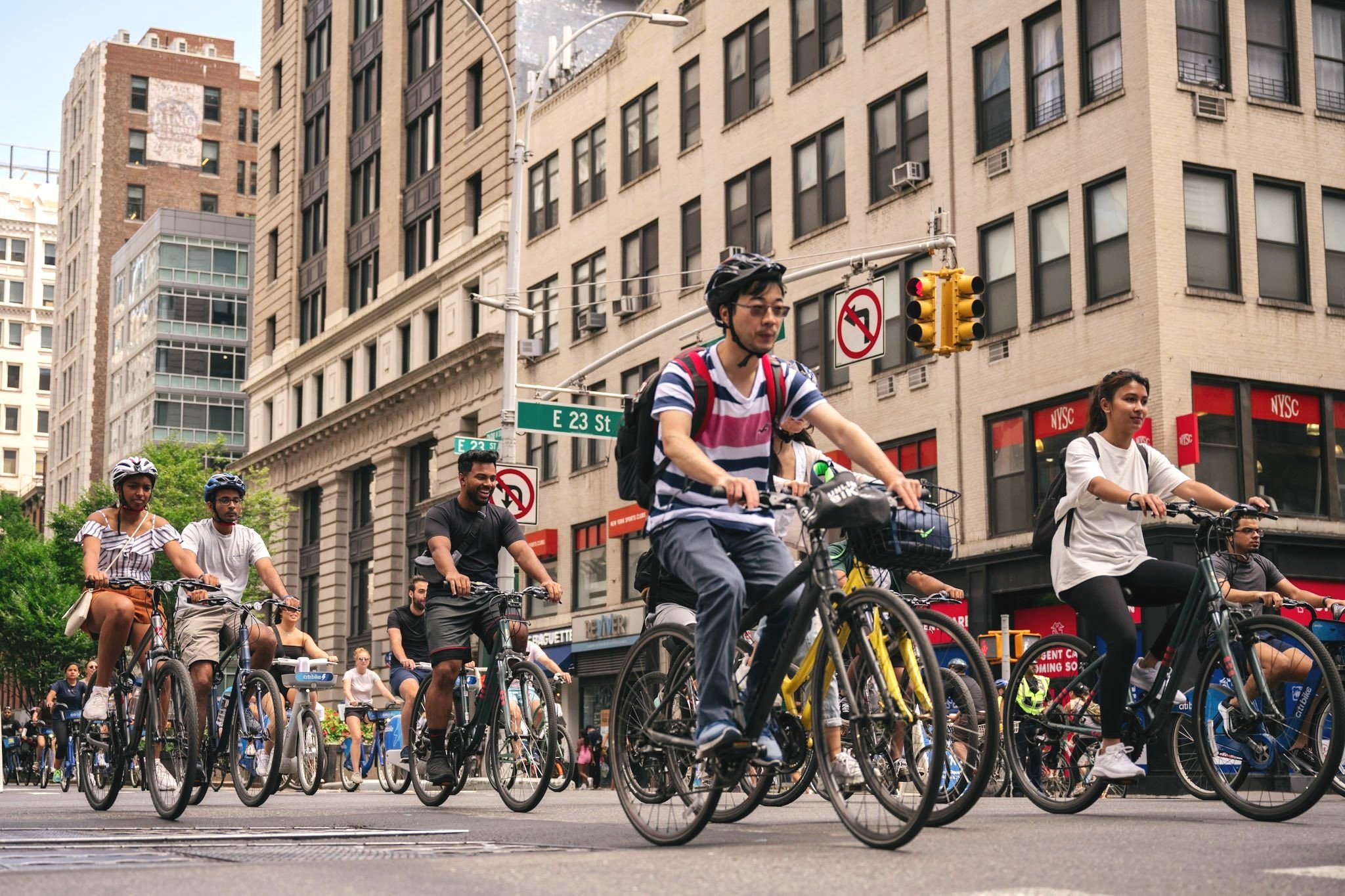
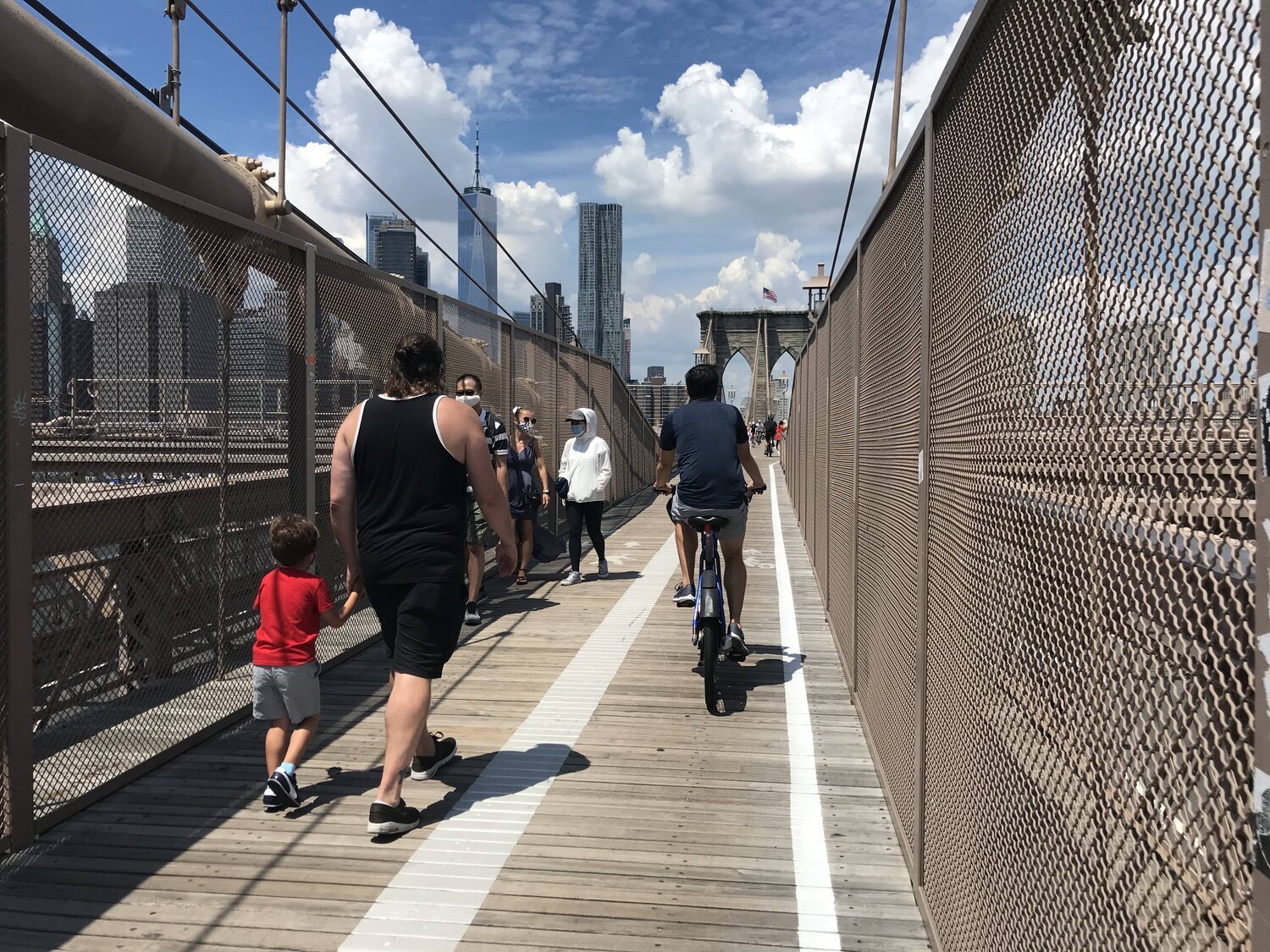
Complete Streets with traffic calming, human-friendly signal timing, bike lanes, protected bike lanes and streets that are sensitive to the needs of all road users should be the norm in New York City. Institutionalizing a "Complete Streets" design policy in City government will ensure that these improvements are implemented automatically and in an equitable and consistent manner on street across the City.

In 2006 T.A. began advocating for The Dr. Carl Henry Nacht "Complete Streets" Safety Bill. The bill is named in honor of the well-loved physician who was killed in June 2006 while riding his bicycle alongside his wife, Mary Beth Kelly. It will require the City of New York, as a matter of course, to include bicycle and pedestrian safety measures, including but not limited to: bike lanes and paths and speed reducers, whenever any street undergoes reconstruction or repaving. This legislation will help us move closer towards T.A.'s goal of institutionalizing "Complete Streets" and making it the guiding principle for how our City approaches street design.

Healthy Transportation

In no other areas of New York City is the relationship between heavy traffic, poor infrastructure for walking and bicycling and poor community health more evident than in the three NYC Department of Health and Mental Hygiene's District Public Health Office regions. Targeted by the NYC Department of Health and Mental Hygiene for the great health disparities that their 1.25 million residents face, the neighborhoods of East and Central Harlem, Central Brooklyn and the South Bronx experience a higher rate of pedestrian crashes and a higher volume of trucks using local streets in conjunction with higher rates of obesity, diabetes and other debilitating diseases. To reduce these disparities, promote physical activity and prevent biking and walking injuries and fatalities, we will work closely with community groups in these areas and support projects that will enable safer and better walking and bicycling opportunities and better access by these modes to key neighborhood destinations.

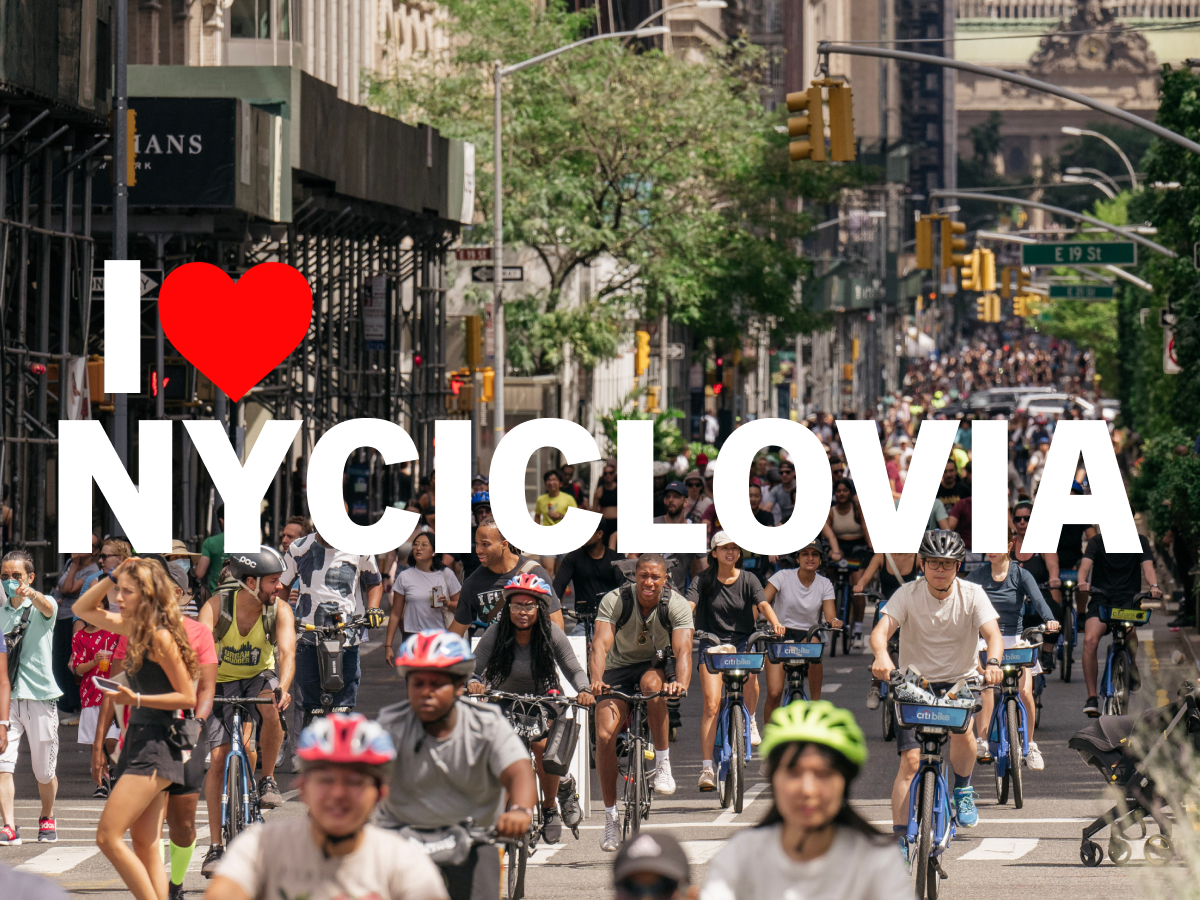
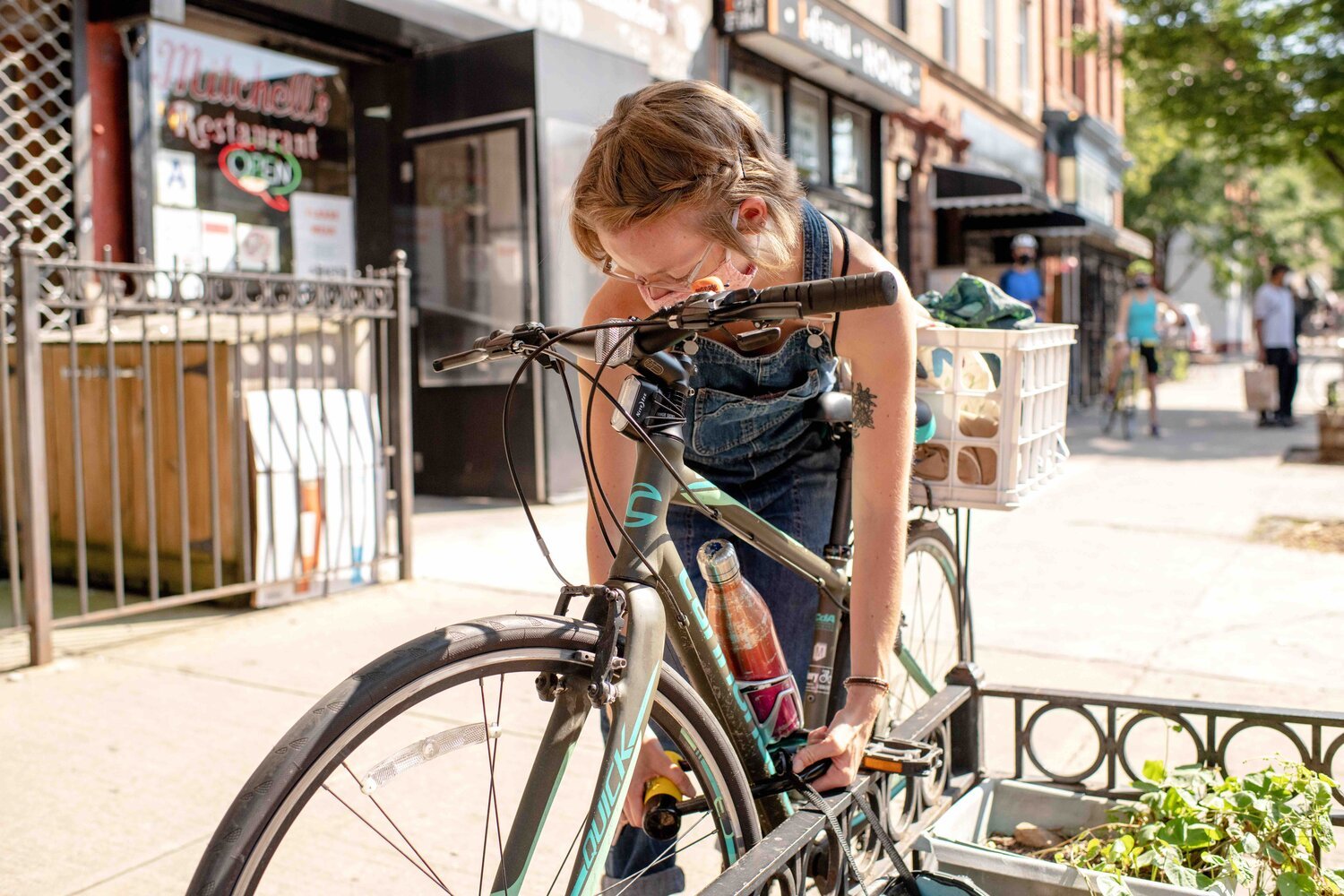
We will also work to develop assessment tools that will help evaluate the health impact of our projects from small scale, community led projects to large scale projects, requiring collaboration with multiple partners and City agencies. In addition, we hope to expand our work in these regions and support community groups in their efforts to organize car-free events on iconic streets, typically dominated by automobiles, win safety improvements to walking trails, increase the prevalence of bicycle parking in the area and advocate for innovative bicycle lanes that connect residents living in these neighborhoods to nearby parks, greenways and other important destinations.

categories [ ]