Our Campaigns
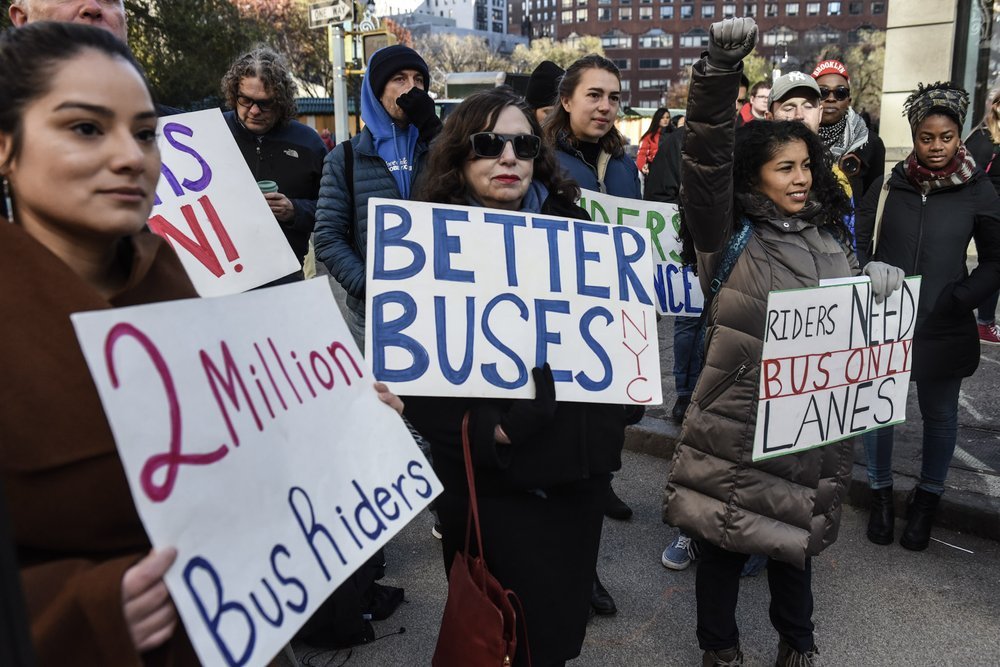
From expanding our network of protected bike lanes citywide to protecting school zones with speed safety cameras, TA’s advocacy work doesn’t stop!
Join us in our fight for safe, equitable streets by supporting a campaign you care about.
Take Action: Citywide | Bronx/Uptown | Brooklyn | North Brooklyn | Manhattan | Queens | Eastern Queens | Staten Island & South Brooklyn | Youth
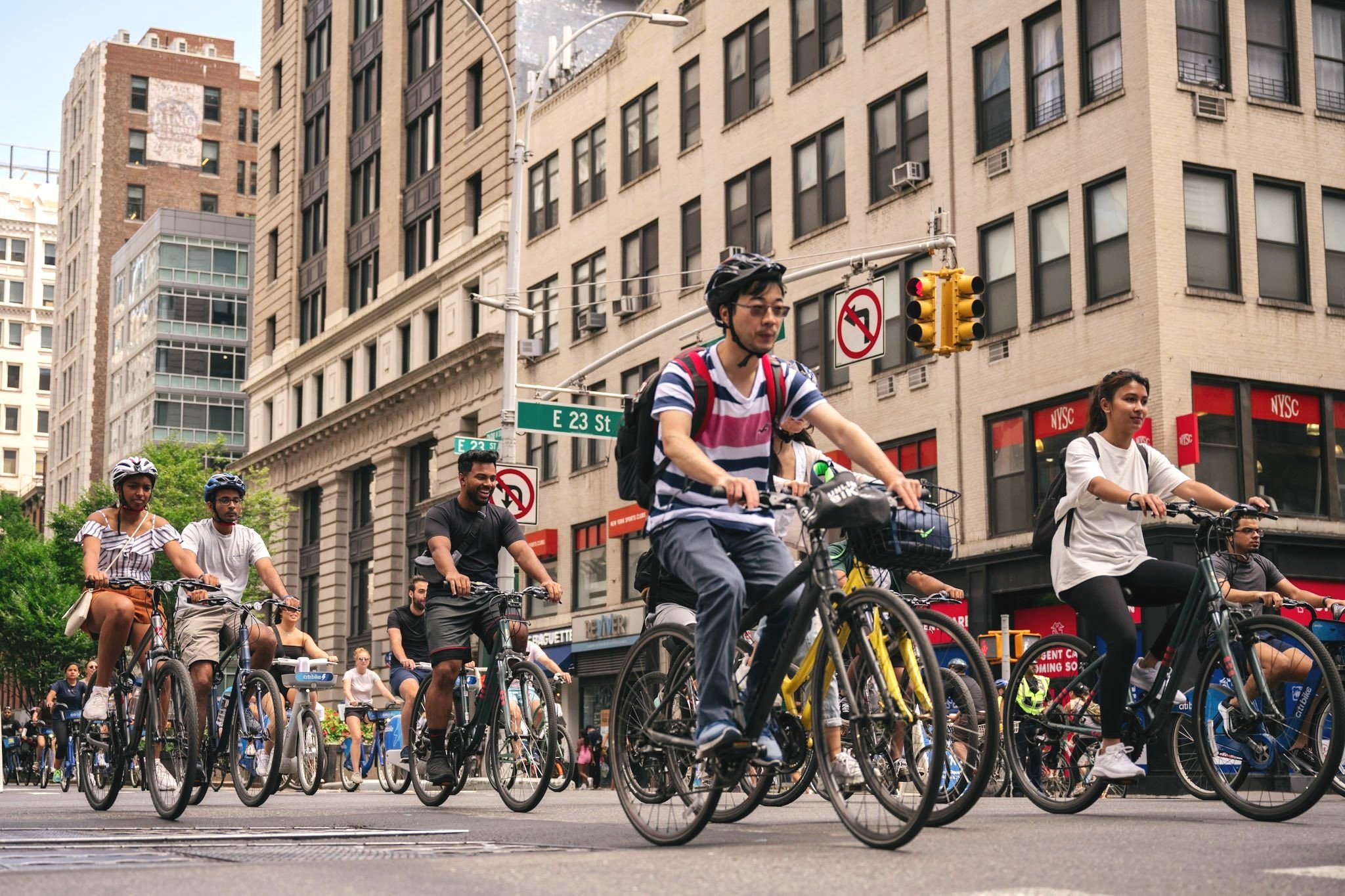
With your support, we’ve won transformational changes to New York City streets.
From banning cars from Central and Prospect Park to creating North America’s largest bike share system, Transportation Alternatives activists have been at the forefront of major victories on New York City streets.
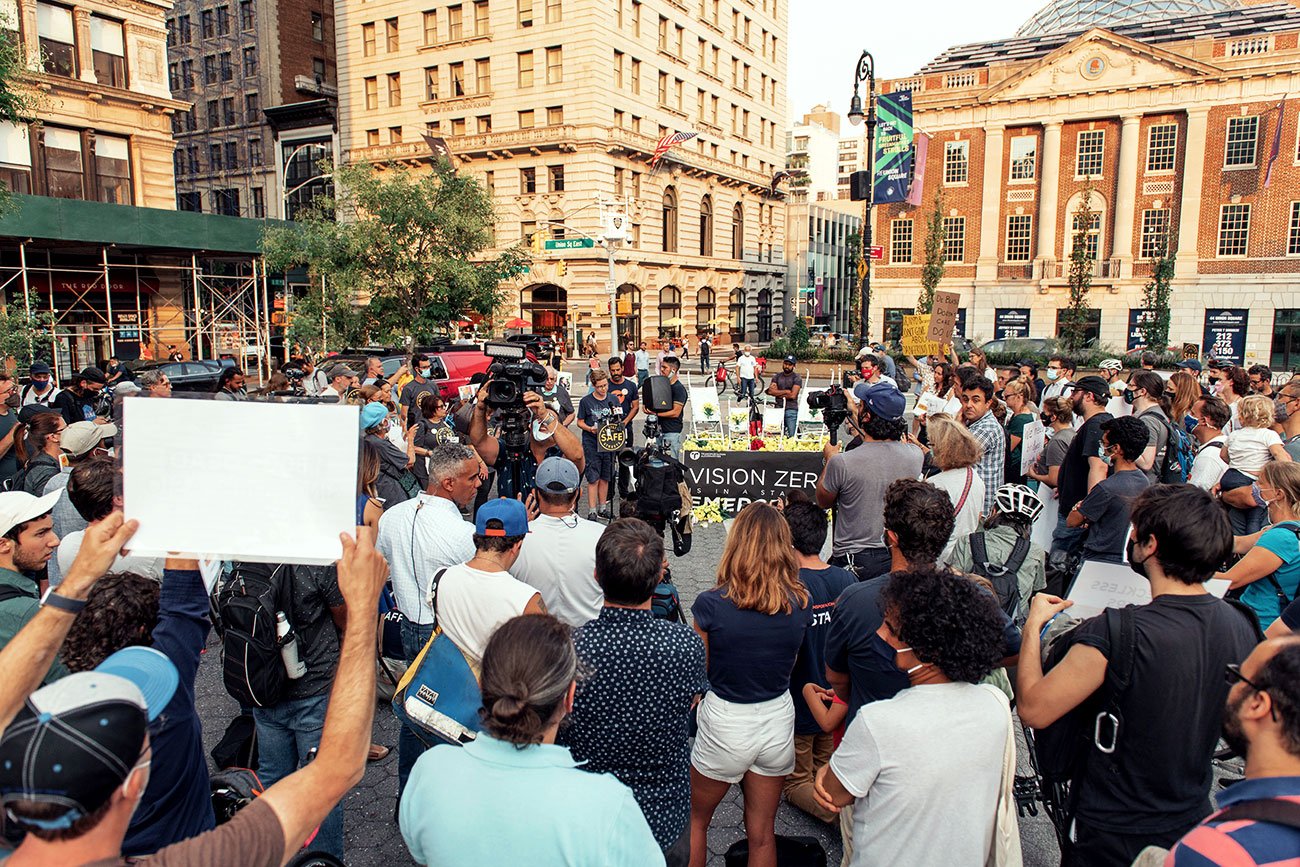
Here’s how you can build a
better New York City now:
Citywide Campaigns


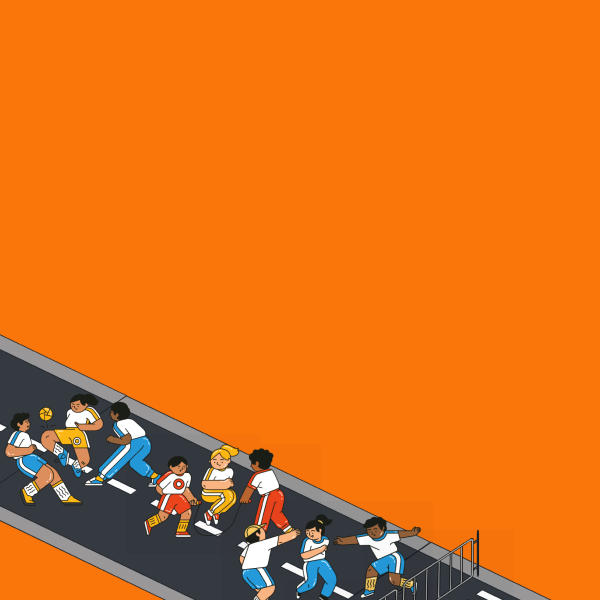


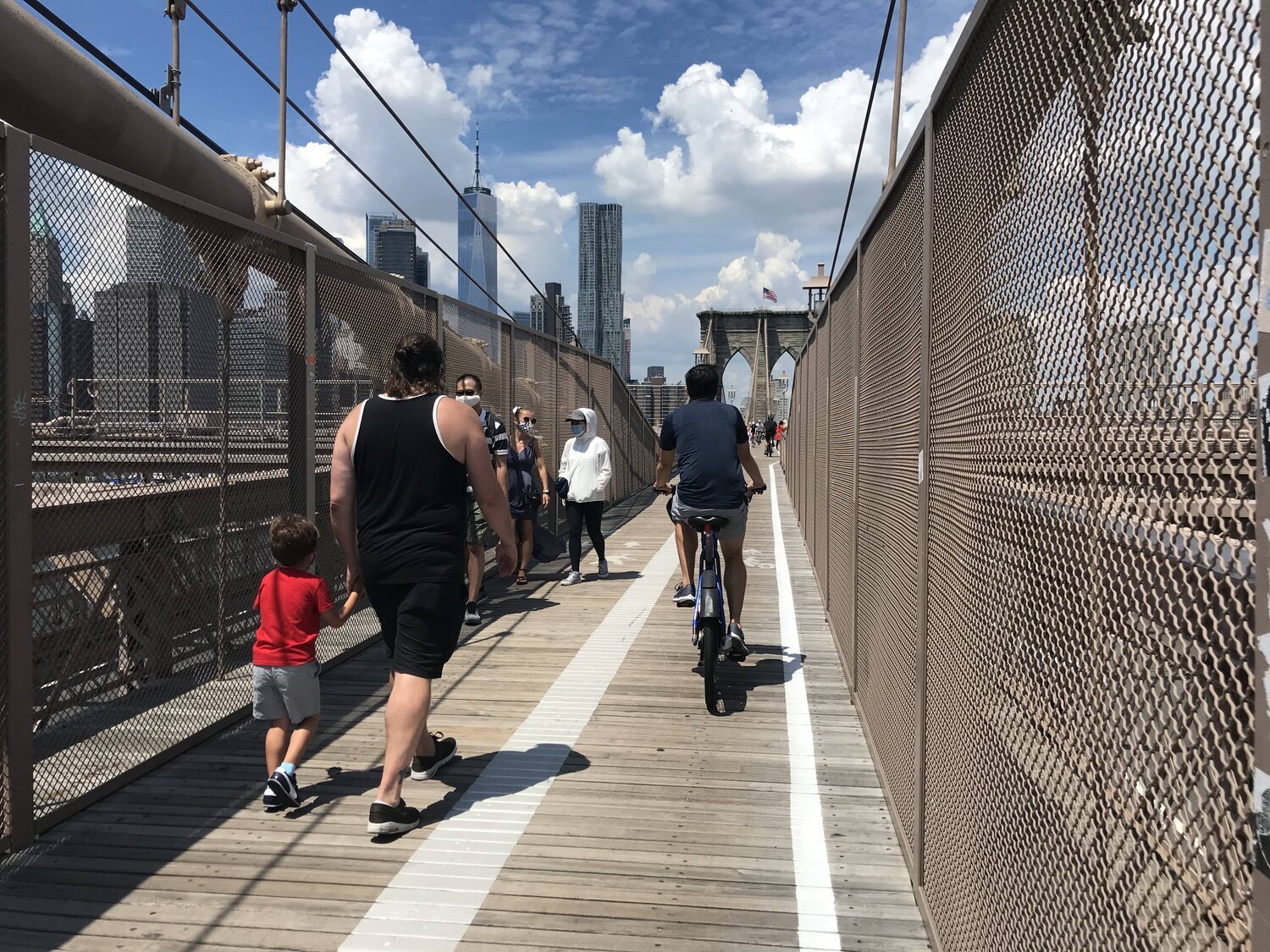
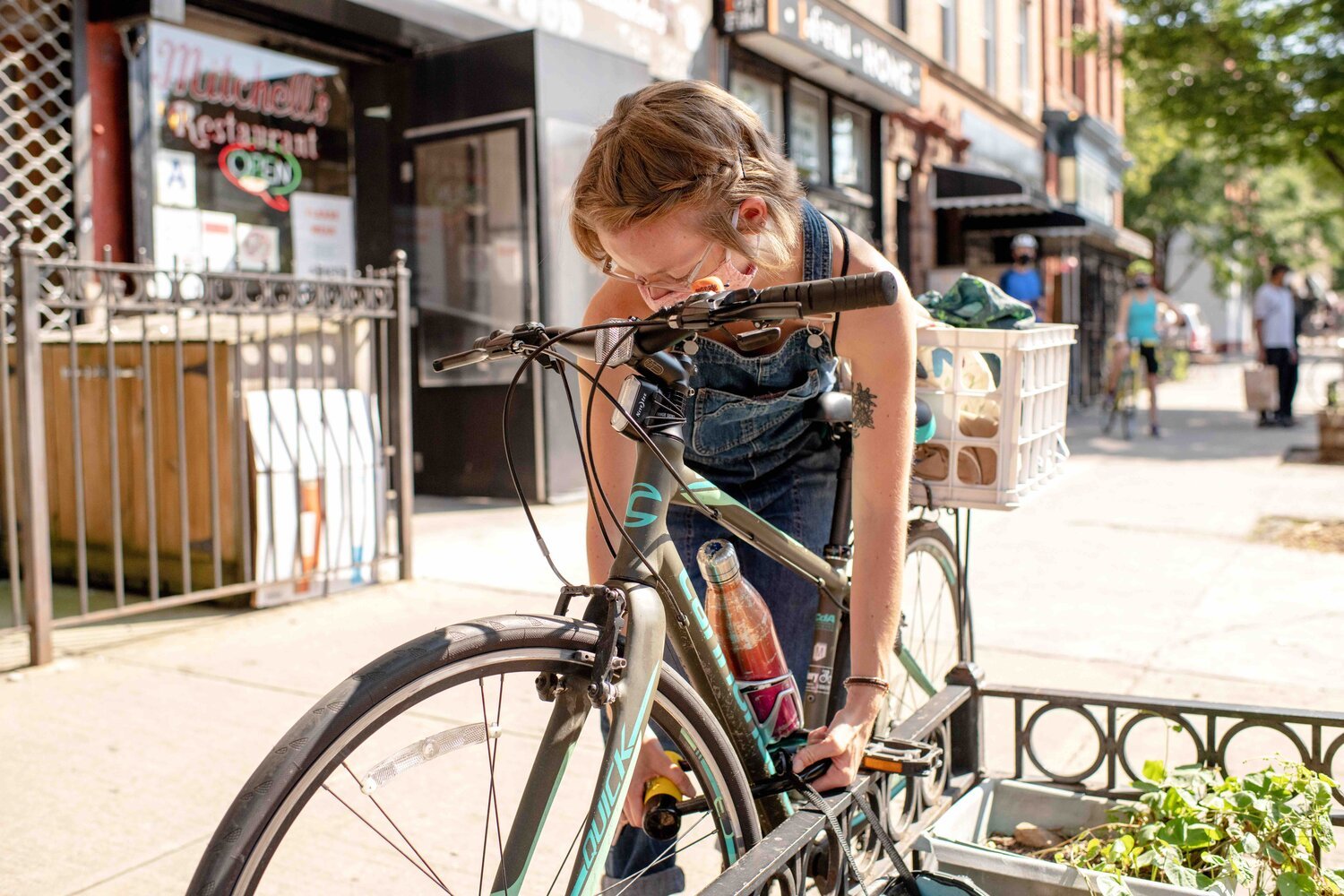


Borough-Specific Campaigns
Our local organizers are hard at work fighting for safe streets in every neighborhood. Click the borough's title to discover all active campaigns in your neighborhood.


Recent victories


